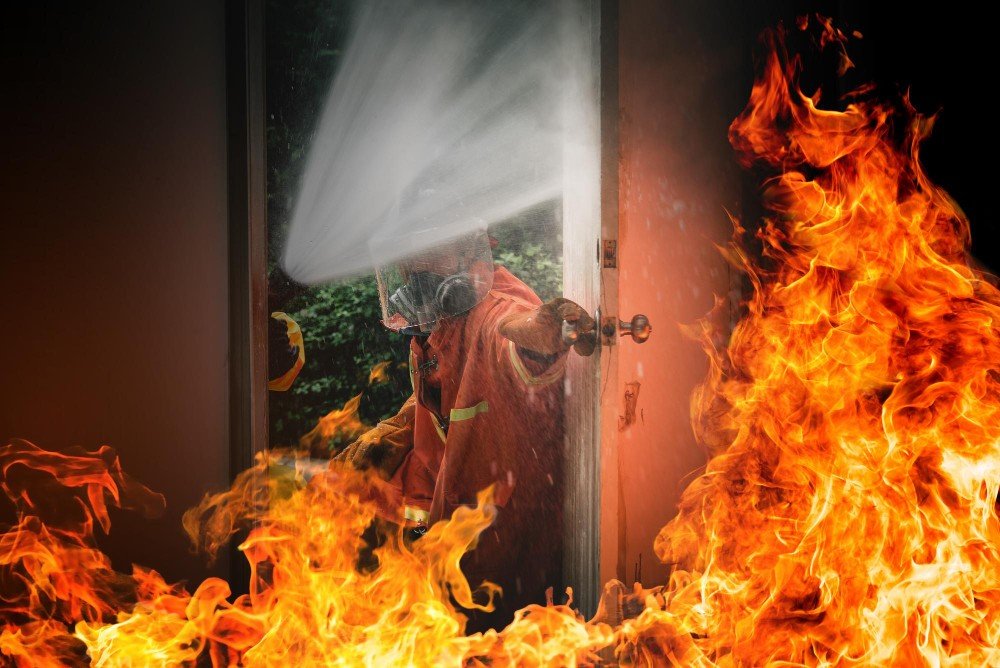
A fire doesn’t stop damaging your home the moment the flames go out. Smoke works its way into drywall, wiring, and HVAC ducts. Soot settles on every surface, including ones that look untouched. And whatever water the fire department used to put the fire out is now sitting in your walls and flooring too. If you’re searching fire damage restoration near me right now, the most important thing to understand is that this is not a one-step cleanup job. It’s a multi-phase process, and who you hire for it matters as much as how fast they show up.
Why Fire Damage Is More Complicated Than It Looks
Most homeowners assume the visible damage, the charred framing, the melted fixtures, is the whole story. It isn’t. Smoke odor can penetrate porous materials like drywall and insulation in a way that’s nearly impossible to fully remove without proper equipment. Soot is acidic and continues to corrode metal surfaces and electronics for days after the fire if it isn’t cleaned quickly. And structural water damage from firefighting efforts creates the exact same mold risk as a burst pipe, just layered on top of an already serious loss.
The Hidden Damage Behind Walls and Ceilings
Heat alone can compromise structural components that look fine from the outside. Wood framing exposed to high temperatures can lose strength even without visible charring, and electrical wiring near a fire’s path may need to be inspected before it’s considered safe. This is part of why a proper fire damage restoration assessment goes well beyond a walkthrough with a flashlight.
Smoke Odor Is Its Own Separate Problem
Odor removal isn’t as simple as airing out the house or running a few fans. Smoke particles embed themselves into fabric, wood, and even paint. Professional odor removal typically involves thermal fogging, ozone treatment, or hydroxyl generators, tools most homeowners don’t have access to and shouldn’t be experimenting with on their own.
What a Proper Fire Damage Restoration Process Looks Like
The actual restoration process generally moves through a few distinct stages, and skipping any of them tends to cause problems later.
Board-Up and Site Stabilization
The priority after a fire is securing the property. Broken windows, damaged doors, and compromised roof sections need to be boarded up immediately to prevent weather damage, theft, or further structural issues while the rest of the assessment happens.
Assessment and Documentation
A certified team documents the full scope of damage, structural, smoke, soot, and water, before any cleanup begins. This step matters enormously for the insurance process, which is covered in more detail below.
Cleaning, Deodorization, and Reconstruction
Once the site is stabilized and documented, the actual cleanup begins: soot and smoke residue removal from every affected surface, structural drying if firefighting water is present, odor treatment, and finally reconstruction of anything that needs to be rebuilt, from drywall to flooring to cabinetry.
One Team Versus Multiple Contractors
A lot of fire and water restoration companies only handle the mitigation and cleanup phase, then hand the reconstruction work off to a separate contractor you have to find and vet yourself. That means two companies, two timelines, and nobody fully accountable for the finished result. Lyon Restoration handles the entire process under one roof, including demolition of unsalvageable materials and full construction and reconstruction, so you’re not managing multiple vendors while you’re already dealing with a major loss.
Why Certification Matters for Fire Damage Specifically
Just like water damage, fire restoration has an actual industry standard behind it. Choosing an iicrc certified restoration company means the technicians working in your home have been trained specifically in fire and smoke restoration protocols, not just general cleanup. Lyon Restoration is IICRC certified under Javier Morales, Certification #93796, and Javier personally oversees every fire damage project rather than handing it off to a subcontractor you’ve never met.
What to Ask Before Hiring Anyone After a Fire
Before you hire a company, ask directly whether they handle the full scope, board-up through final reconstruction, or just part of it. Ask how quickly they can be on-site, since emergency restoration response time directly affects how much smoke and water damage spreads before mitigation starts. And ask whether they’ll work directly with your insurance adjuster or expect you to manage that process alone.
Fire Damage Restoration Across Michigan
Fire damage restoration needs look different depending on the property and the region. Older housing stock in Metro Detroit often means outdated electrical systems and construction materials that behave differently in a fire than newer builds, which is why fire damage restoration detroit requires a team with real local experience, not a generic national playbook. Homes and businesses across the rest of Michigan face their own regional risks too, from older wiring in historic neighborhoods to seasonal heating equipment fires during Michigan winters, which is exactly why fire damage restoration michigan homeowners search for isn’t a one-size-fits-all service.
Lyon Restoration provides 24/7 fire damage response across Detroit, Lansing, Ann Arbor, Kalamazoo, and New Hudson.
Residential and Commercial Fire Damage Are Different Jobs
Residential restoration after a fire usually means working around a displaced family, protecting salvageable personal belongings, and moving quickly since most people don’t have a backup home lined up. Commercial restoration brings a different set of pressures: every day a business stays closed is lost revenue, and commercial properties often require more detailed documentation for insurance and liability purposes. A restoration company should be able to speak to real experience with both, not just claim they handle everything.
If your loss involves significant structural rebuilding, it’s also worth asking whether the company you’re considering has real construction capability behind them, not just cleanup crews. Comparing a full-service restoration company against general construction companies Michigan property owners find separately for rebuild work usually comes down to one thing: whether the same team that documented the damage is the one rebuilding it, which keeps your insurance paperwork consistent from start to finish.
Getting Your Insurance Claim Right After a Fire
Fire damage claims tend to be more complicated than water damage claims, simply because there’s more to document, structural, smoke, soot, water, and often contents loss all at once. Insurance claim restoration support means a company that photographs everything before cleanup starts, provides detailed written estimates, and communicates directly with your adjuster instead of leaving you to translate technical damage reports on your own. Homeowners who bring in a certified team immediately after a fire, before the adjuster’s first visit, generally end up with claims that move faster and get approved more accurately.
You can review the full scope of what Lyon Restoration handles on our services page, or see examples of completed work on our case studies page.
Bottom Line
Fire damage restoration is not a job for whoever answers the phone fastest with the lowest quote. The things worth checking are IICRC certification, full-service capability from board-up through reconstruction, real experience with both residential and commercial properties, and a track record of handling insurance claims correctly. Lyon Restoration covers all of it and answers the phone 24 hours a day, 7 days a week, across Detroit, Lansing, Ann Arbor, Kalamazoo, and New Hudson.
Call Now for 24/7 Emergency Fire Damage Restoration, or reach us online any time.