One of the first questions homeowners ask after discovering water damage is also one of the hardest to answer honestly with a single number: what is this going to cost? Anyone searching water damage restoration right now has probably noticed that pricing isn’t posted on most restoration websites, and that’s not because companies are hiding something. Water damage costs vary widely based on a handful of specific factors, and understanding them helps you evaluate whether an estimate actually makes sense for your situation.
The Category of Water Makes a Bigger Difference Than People Expect
Not all water damage is treated the same, and the category of water involved is one of the biggest cost drivers. Clean water from a supply line or an appliance is the least expensive to remediate, since it doesn’t carry contamination risk and can often be dried in place without removing materials. Greywater, which might come from a washing machine overflow or a sump pump backup, carries some contamination and typically requires more thorough cleaning and sanitizing. Blackwater, from sources like sewage backups or flooding that’s picked up outdoor contaminants, is the most expensive category to handle, since it usually requires removal of porous materials that can’t be safely sanitized, along with more extensive protective measures for the crew doing the work.
Square Footage and Extent of Water Migration
The size of the affected area matters, but not always in the way people expect. A small kitchen leak that’s been sitting for weeks and traveled into a wall cavity can end up costing more than a larger area of clean water caught quickly, simply because the smaller job requires more invasive work to fully address. This is a big part of why basement flooding restoration costs vary so much between jobs that look similar on the surface. A finished basement with drywall, flooring, and framing all affected costs considerably more to restore than an unfinished basement where the same volume of water only touched a concrete floor.
How Long the Water Sat Before Restoration Started
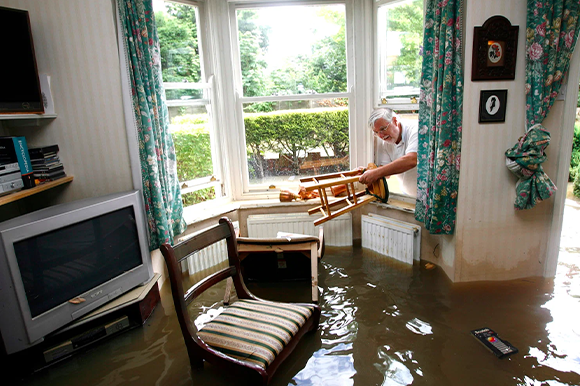
Response time directly affects cost, and this is one of the few factors homeowners have real control over. Water that’s addressed within hours typically requires extraction and drying alone. Water that sits for days often means saturated drywall, warped flooring, and the beginnings of mold growth, all of which add material replacement and remediation costs on top of the original drying work. This is exactly why calling for emergency restoration quickly isn’t just about convenience, it’s often the single biggest factor in keeping the final cost manageable.
Whether Mold Has Already Started
If mold has developed by the time restoration begins, that adds a separate scope of work on top of the water damage itself. Mold remediation cost depends on how far the growth has spread and whether contaminated materials need removal, and catching water damage early is the most reliable way to avoid this cost entirely. A job that could have been a straightforward dry-out can turn into a combined water and mold remediation project if too much time passes before anyone calls for help.
Residential Versus Commercial Pricing Considerations
Residential restoration and commercial restoration jobs are priced differently, partly due to scale and partly due to differing standards for documentation and code compliance. A commercial property often involves more square footage, specialized equipment, and stricter requirements around business interruption documentation, all of which factor into the overall scope. A homeowner comparing quotes should make sure any estimate they’re reviewing was built for their specific property type, since a generic per-square-foot number rarely tells the full story.
Why a Detailed Written Estimate Matters More Than a Quick Number
A trustworthy restoration company provides a written estimate based on an actual on-site assessment, not a rough number given over the phone before anyone has seen the damage. An iicrc certified restoration company should be able to explain exactly what’s driving the cost of your specific job, water category, square footage, materials affected, and any secondary damage like mold, rather than handing over a vague total with no breakdown. If a company can’t explain their pricing in plain terms, that’s worth treating as a red flag.
Lyon Restoration is IICRC certified under Javier Morales, Certification #93796, and provides detailed, written estimates before any work begins, so you know exactly what you’re paying for and why.
How Insurance Fits Into the Cost Conversation
For homeowners with coverage, out-of-pocket cost often comes down to the deductible plus anything the policy excludes. Good insurance claim restoration support means a company that documents the loss thoroughly enough for your adjuster to approve the full covered scope, rather than leaving gaps that shift costs back onto you unexpectedly. Bringing in a certified team early, with clear photo documentation and moisture readings from day one, tends to result in claims that cover more of the actual cost with less back-and-forth.
Lyon Restoration provides 24/7 water damage restoration across Lansing, Detroit, Ann Arbor, Kalamazoo, and New Hudson. You can view our full water damage restoration services or see everything we handle on our services page.
Bottom Line
Water damage restoration costs vary based on the category of water, how much area is affected, how long the water sat before anyone called for help, and whether mold has already started. A written, on-site estimate from a certified company is the only reliable way to know what your specific job will actually cost, and calling quickly is the one factor that can meaningfully keep that number down.