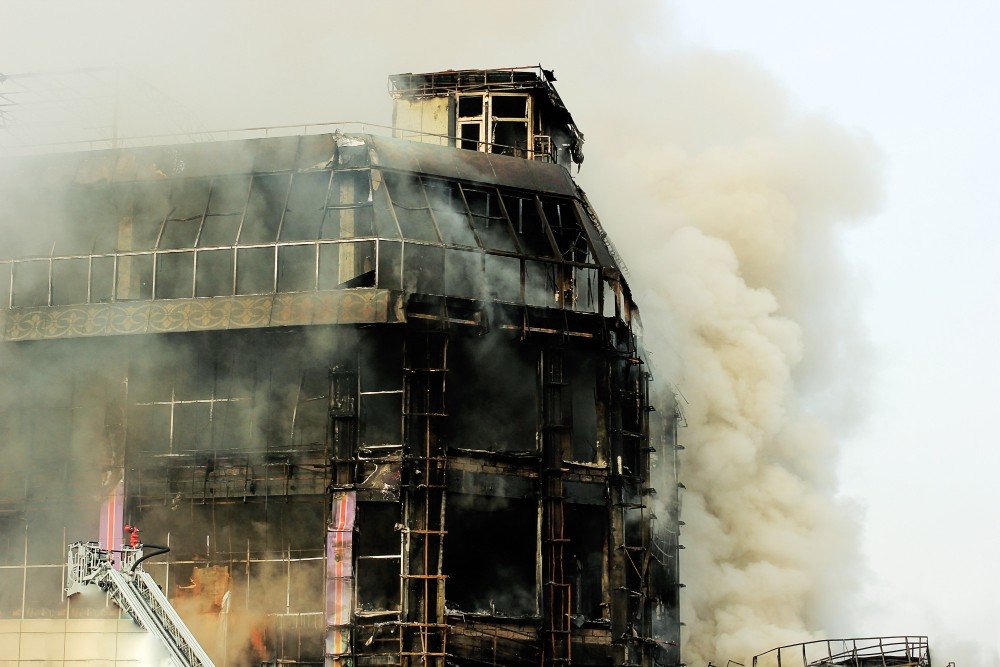
One of the first questions people ask after a fire isn’t about the restoration process itself, it’s about their belongings. Family photos, furniture, clothing, electronics, the instinct is to assume anything touched by smoke or fire is a total loss. That’s not always true, and knowing what can realistically be saved is one of the more overlooked parts of choosing fire damage restoration.
Why “Smoke Damaged” Doesn’t Always Mean “Ruined”
Smoke and soot behave differently depending on what they touch and how long they sit. Hard, non-porous surfaces like glass, metal, and sealed wood can often be cleaned and fully restored, since soot sits on the surface rather than absorbing in. Porous materials tell a different story. Fabric, unsealed wood, drywall, and paper absorb both soot particles and the odor compounds that come with them, which makes full restoration much harder, though not always impossible depending on the severity and how quickly cleaning begins.
The type of fire also matters. A fast-burning fire with lighter smoke tends to leave less penetrating residue than a slow, smoldering fire, which produces thicker, more acidic soot that continues corroding surfaces the longer it sits untreated. This is part of why immediate assessment matters so much, materials that could have been saved with prompt cleaning sometimes can’t be a week later.
What Typically Can Be Salvaged
Hard furniture, especially solid wood and metal pieces, often responds well to professional cleaning. Non-porous decor, glassware, ceramics, and similar items usually clean up completely once soot residue is removed. Many electronics can be assessed and sometimes salvaged, though this requires a professional evaluation, since soot can be corrosive to internal components even when the exterior looks fine. Structural elements like framing and subflooring are frequently salvageable too, provided the heat exposure wasn’t severe enough to compromise their integrity, which is something a professional assessment determines rather than a visual guess.
What Usually Has to Be Replaced
Upholstered furniture, mattresses, and heavily soaked fabrics are difficult to fully restore, since odor and soot embed deep into the fibers in a way that’s nearly impossible to completely reverse. Insulation exposed to fire or heavy smoke typically needs replacement, since it can trap odor permanently. Drywall directly in the fire’s path, along with any material that shows charring rather than just smoke staining, generally needs to be removed rather than cleaned. Food, medications, and cosmetics exposed to heat or smoke should be discarded regardless of how they look, since heat and smoke exposure can compromise them in ways that aren’t visible.
How Professional Smoke and Soot Cleaning Actually Works
Cleaning after a fire isn’t the same as a deep house cleaning. Different techniques apply depending on the surface and the type of soot involved. Dry cleaning sponges are used on certain surfaces to lift soot without smearing it further into the material. Wet cleaning with specialized solutions handles surfaces that dry methods can’t fully address. Odor treatment, using thermal fogging, ozone treatment, or hydroxyl generators, targets the smoke compounds that have worked their way into materials, since simply airing out a house rarely eliminates fire odor completely.
This is precise, specialized work, and it’s part of why choosing an iicrc certified restoration company matters even for what looks like a smaller, more contained fire. Certified technicians understand which cleaning method applies to which material, and applying the wrong technique can set the soot further into a surface rather than lifting it out. Lyon Restoration is IICRC certified under Javier Morales, Certification #93796, and Javier personally evaluates salvage potential on every fire damage project rather than defaulting to a full-loss assumption.
Older Homes Bring Their Own Salvage Considerations
Metro Detroit’s older housing stock adds another layer to this process. Original woodwork, plaster walls, and vintage fixtures common in fire damage restoration detroit properties often have real value worth preserving, and a restoration team unfamiliar with older construction may recommend replacement where careful cleaning could have preserved original materials. This holds true across much of fire damage restoration michigan more broadly, where a mix of historic and newer housing means no two salvage assessments look quite the same.
Salvage Priorities Differ for Homes and Businesses
Residential restoration salvage priorities usually center on sentimental items, family photos, heirlooms, and personal belongings that can’t be replaced regardless of monetary value. Commercial restoration salvage often focuses more on records, equipment, and inventory, where the priority is getting a business back to operational as quickly as possible rather than preserving sentimental value. A restoration company should approach these differently rather than applying the same salvage checklist to every property type.
Documenting Salvage for Your Insurance Claim
What gets saved versus replaced has a direct impact on your insurance claim, since salvaged items reduce the total loss while replaced items need to be documented and valued for reimbursement. Good insurance claim restoration support means a company that photographs and documents every item’s condition before cleaning begins, giving your adjuster clear evidence for what was salvageable and what wasn’t. This documentation matters just as much as the cleaning itself when it comes to getting your claim approved accurately.
Getting professional help quickly after a fire matters for salvage specifically, not just structural drying. Emergency restoration response within the first day or two significantly increases what can realistically be saved, since soot becomes harder to remove and odor sets in deeper the longer materials sit untreated.
Lyon Restoration provides 24/7 fire damage response across Detroit, Lansing, Ann Arbor, Kalamazoo, and New Hudson. You can view our full fire damage restoration services or see everything we handle on our services page.
Bottom Line
Not everything touched by fire or smoke is automatically a total loss. Hard surfaces, solid furniture, and even some electronics can often be professionally cleaned and saved, while porous and heavily charred materials usually need to be replaced. Getting a certified team in quickly gives you the best odds of saving what’s actually salvageable, and thorough documentation along the way keeps your insurance claim accurate.
Talk to Javier About Your Fire Damage: Call (947) 256-2307, or reach us online any time.